Source Custom Embroidered Tapestry Jacket for Teams, Schools, and Events
Explore 30 listings for custom embroidered tapestry jackets suitable for teams, schools, and events. Buyers can compare features like polyester and fleece materials, sizes, and OEM services to find the right supplier.
Key considerations
Products List


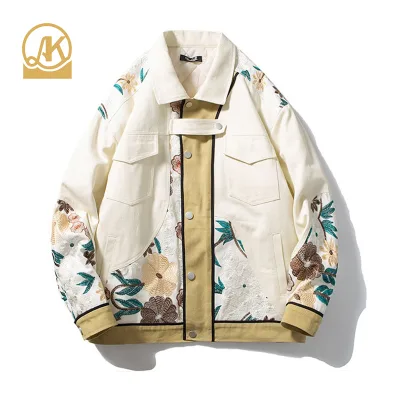


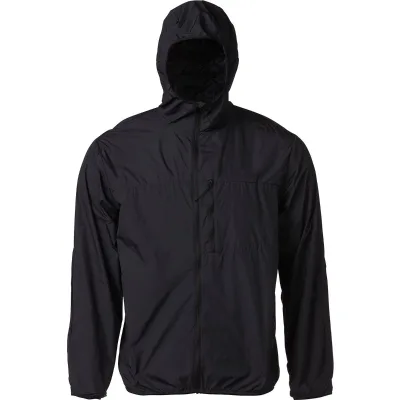


Comprehensive Sourcing Guide
Strategic Sourcing Guide for Custom Embroidered Tapestry Jackets
The global market for custom apparel has seen a significant surge in demand for unique, high-quality outerwear that blends traditional craftsmanship with modern manufacturing capabilities. Among these, the custom embroidered tapestry jacket stands out as a versatile product category that allows buyers to express distinct brand identities while offering functional utility. For procurement professionals, navigating this sector requires a disciplined approach to verifying technical specifications, understanding cost structures, and ensuring supplier reliability. This guide provides a comprehensive framework for sourcing these garments, grounded in observable product attributes and industry best practices.
Technical Specifications and Material Composition
When evaluating custom embroidered tapestry jackets, the foundation of the product lies in its material composition and structural design. The supplied product data indicates a diverse range of materials, with Polyester emerging as a primary fabric choice for several models. Polyester is frequently selected for its durability, ease of care, and ability to hold vibrant colors, which is essential for tapestry-style embroidery. However, buyers must also consider alternative materials observed in the market, such as Polar Fleece, which offers superior warmth and a soft texture, often associated with Sherpa jackets.
The structural integrity of the jacket is equally critical. The data highlights an "Open Fronted" structure, a common design for varsity and bomber styles that facilitates layering. This design is often paired with specific features such as Anti-Wrinkle, Anti-Static, Rip-Stop, and Flame Retardant properties. These attributes suggest that the jackets are engineered for environments where durability and safety are paramount, such as security workplaces or outdoor activities. The "Rip-Stop" feature, in particular, is a vital technical specification for jackets intended for rugged use, preventing small tears from expanding.
Size specifications vary significantly across the product range, with observations of M and L sizes available. Buyers should note that while some listings specify standard sizing, others offer "Customized Color" and potentially custom sizing to meet specific demographic needs. The "Applicable User" is listed as Adults, with a "Gender" classification that ranges from Unisex to specific Men's categories. This variability necessitates a clear definition of the target audience before initiating a procurement process. The "Clothing Length" is noted as "Regular," which is a standard fit, but customization options may allow for adjustments to accommodate different body types or style preferences.
Compliance, Certification, and Safety Standards
In the realm of B2B apparel procurement, compliance is not merely a formality but a critical risk management strategy. While the supplied data does not explicitly confirm certification status for every listed item, it mentions BSCI (Business Social Compliance Initiative) as a relevant background consideration. Buyers should verify if their specific suppliers hold active BSCI certification or equivalent social compliance audits, as this ensures ethical labor practices throughout the supply chain.
Safety standards are another area requiring rigorous verification. The product attributes list "Flame Retardant" as a key feature, which implies that the fabric or treatment must meet specific fire safety standards. However, without explicit test results or standard numbers provided in the source data, buyers cannot assume compliance with international standards such as NFPA 2112 or EN 11612. Instead, procurement teams must request third-party test reports from suppliers to validate these claims. Similarly, the "Windproof" feature observed in certain models requires verification through wind penetration tests to ensure the jacket performs as advertised in adverse weather conditions.
The "Standard" dimensions provided in the data, such as 26165 and 504535cm, likely refer to packaging dimensions rather than product safety standards. Buyers should not confuse packaging metrics with product compliance. Instead, they should focus on requesting documentation for fabric safety, such as REACH compliance for chemical restrictions or Oeko-Tex certification for harmful substances. The "Workplace: Factory" attribute indicates that production occurs in a manufacturing setting, but the specific location is listed as China. Buyers should be aware that sourcing from this region requires careful vetting of local regulations and export compliance.
Cost Drivers and Pricing Dynamics
Understanding the cost drivers for custom embroidered tapestry jackets is essential for budgeting and negotiation. The observed price range in the market spans from 3.5 to 57.54 USD, a wide variance that reflects differences in material quality, complexity of embroidery, and order volume. The "MOQ" (Minimum Order Quantity) ranges from 10 to 2000 units, with a specific high-confidence observation of 100PCS. This variability suggests that buyers can access the market at different price points depending on their volume requirements.
Several factors influence the final unit cost. First, the customization level plays a significant role. The "Customization: Available" attribute indicates that bespoke designs, including specific embroidery patterns and colors, will incur additional costs compared to standard stock items. The "OEM" (Original Equipment Manufacturer) and "Oem Service" attributes confirm that suppliers are equipped to produce private-label goods, which often involves setup fees for molds, screens, or digital files.
Material costs are another primary driver. Jackets made from Polar Fleece or specialized Rip-Stop fabrics will generally cost more than basic Polyester options. Additionally, the complexity of the embroidery affects pricing; intricate tapestry designs require more machine time and skilled labor. The "Sample: Availble" attribute suggests that buyers may need to budget for sample costs before committing to a large order, which is a standard industry practice to validate quality and design.
Typical Applications and Market Segments
The versatility of custom embroidered tapestry jackets allows them to serve a wide array of applications. The "Key Word" data points to "Custom Varsity Jacket," "Men Varsity Jacket," and "Embroidered Varsity Jacket," indicating a strong presence in the sports and collegiate fashion markets. These jackets are often used for team uniforms, school spirit wear, or corporate branding events where a unified, professional look is desired.
Beyond sports, the "Applicable: Security" attribute highlights a niche but important application. Jackets with features like Flame Retardant and Anti-Static properties are suitable for security personnel or industrial workers who require protective outerwear. The "Style: Jacket" and "Type: Casual Clothes" classifications further suggest that these garments are designed for everyday wear, making them ideal for promotional merchandise or corporate gifts.
The "Season" attribute lists both "Spring / Autumn" and "Winter," indicating that the product line covers multiple weather conditions. This seasonal flexibility allows buyers to stock inventory year-round or target specific seasonal campaigns. The "Pattern: Leisure Jacket" and "Pattern Type: Floral" options suggest that these jackets are also marketed towards fashion-conscious consumers looking for unique, stylish pieces. The "Key Word: Sherpa Jacket" and "Type: Down Jacket" further expand the application scope to include cold-weather fashion and outdoor recreation.
Supplier Evaluation and Service Capabilities
Selecting the right supplier is a critical step in the sourcing process. The data confirms that suppliers offer "OEM" services and "Supply Type: Oem Service," indicating a capability to produce custom orders. The "Workplace: Factory" attribute suggests that the suppliers have direct manufacturing capabilities, which can lead to better quality control and faster turnaround times compared to trading companies.
Buyers should evaluate suppliers based on their ability to handle customization. The "Customization: Available" attribute is a positive indicator, but buyers must verify the supplier's capacity for complex embroidery and color matching. The "Sample: Availble" attribute is crucial for quality assurance; a reliable supplier should be willing to provide samples for review before mass production.
The "prod_packing" specifications, such as "1 PCS Per Poly Bag, Fit in a Box," indicate attention to detail in packaging, which is important for retail presentation and shipping efficiency. However, buyers should confirm if the packaging can be customized to match their brand identity. The "prod_standard" dimensions provided (e.g., 16Inch * 12Inch * 1.5Inch) are likely for shipping purposes, but buyers should ensure these dimensions align with their logistics requirements to avoid unexpected shipping costs.
Quality Control and Long-Term Procurement Considerations
Quality control is paramount when sourcing custom apparel. Buyers should implement a rigorous QC process that includes pre-production sample approval, in-line inspections during manufacturing, and final random inspections before shipment. The "Feature" list, including Anti-Wrinkle and Rip-Stop, should be verified through physical testing to ensure the claims are accurate.
Long-term procurement considerations involve building a sustainable relationship with suppliers. The "MOQ" range of 10 to 2000 units offers flexibility, but buyers should aim to negotiate volume discounts as their order sizes increase. The "Season" variability suggests that buyers should plan their orders well in advance to align with seasonal demand and avoid supply chain disruptions.
The "Location: China" attribute highlights the importance of understanding the logistics and lead times associated with international shipping. While specific lead times are not provided in the data, buyers should establish clear timelines with their suppliers to ensure timely delivery. Additionally, buyers should consider the environmental impact of their sourcing decisions, looking for suppliers who adopt sustainable practices and materials.
In conclusion, sourcing custom embroidered tapestry jackets requires a balanced approach that combines technical knowledge, strategic planning, and rigorous supplier evaluation. By focusing on material quality, compliance standards, and service capabilities, buyers can secure high-quality products that meet their specific needs and brand values. The wide range of options available in the market, from varsity styles to security-grade jackets, offers ample opportunities for innovation and growth in the apparel sector.
FAQs
What customization options are available for these jackets?
Customization is available for these jackets, allowing buyers to specify designs and colors. The product data confirms that customized colors are offered alongside OEM services for private labeling. Buyers can request specific embroidery patterns to match their brand identity while maintaining the core jacket structure.
Which materials are used to construct these jackets?
Polyester is the primary material observed for several models, chosen for its durability and color retention. Alternative materials include Polar Fleece for Sherpa styles and specialized fabrics with Rip-Stop features. These materials support various seasonal needs ranging from Spring and Autumn to Winter wear.
Can buyers order samples before placing a bulk order?
Yes, samples are available for review before committing to a large production run. This allows buyers to verify the quality of the embroidery, fabric texture, and overall fit. The supplier offers OEM services, ensuring the sample reflects the final product specifications accurately.
What is the minimum order quantity for these jackets?
The minimum order quantity ranges from 10 to 2000 units, with a specific high-confidence observation of 100 pieces. This flexibility allows buyers to test the market with smaller orders or fulfill large corporate needs. The exact MOQ may vary depending on the specific model and customization level requested.
How are these jackets packaged for shipping?
Each jacket is typically packed individually in a poly bag and fitted into a box. Specific packaging dimensions vary by model, such as 26 by 16 by 5 inches or 50 by 45 by 35 centimeters. This packaging ensures protection during transit while maintaining a professional presentation for retail or corporate distribution.
Where are these jackets manufactured?
These jackets are manufactured in factories located in China. The production takes place in a dedicated workplace setting, ensuring direct control over the manufacturing process. Buyers should consider this location when planning logistics and lead times for international shipments.
What features do these jackets offer for safety and durability?
The jackets feature Anti-Wrinkle, Anti-Static, Rip-Stop, and Flame Retardant properties. These attributes make them suitable for security workplaces and outdoor activities requiring protective gear. The Rip-Stop feature specifically prevents small tears from expanding, enhancing the garment's longevity in rugged environments.